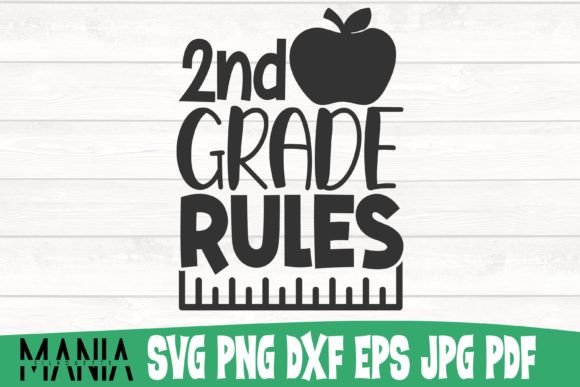
Second Grade Rules SVG Cut File Design: A Practical Guide for Flawless Classroom Crafts
Creating custom apparel and decor for elementary education requires a balance of whimsy and durability. When you search for a Second Grade Rules SVG Cut File Design, you are likely looking for more than just a cute graphic; you need a reliable digital asset that withstands the rigors of classroom life and repeated washing. This specific design category bridges the gap between professional typography and age-appropriate aesthetics, making it a staple for teachers, PTA volunteers, and small business owners specializing in school spirit wear.
However, acquiring the file is only the first step. Many creators encounter frustration not because the design is poor, but because they misunderstand how to leverage the specific file formats included in premium packs. To ensure your project succeeds, it is essential to understand what this design package actually offers and how to avoid common pitfalls that lead to wasted vinyl, peeling transfers, or pixelated prints.
Understanding the Premium File Ecosystem
A high-quality Second Grade Rules SVG Cut File Design is rarely a single file. It is a comprehensive ecosystem tailored for different output methods. This pack contains meticulously organized assets that serve distinct purposes. Recognizing which file to use for which machine is the primary factor in achieving professional results.
- 1 SVG File: Perfectly designed for Cricut Design Space and Silhouette Studio (Designer Edition). This vector format allows for infinite scaling without quality loss.
- 1 PNG File: Features a transparent background, ideal for sublimation, digital mockups, or print-then-cut projects.
- 1 EPS File: Essential for editing purposes in professional software like Adobe Illustrator or CorelDRAW.
- 1 JPEG File: Optimized for Iron-On Machines and heat press applications where vector paths are unnecessary.
- 1 DXF File: Specifically formatted for the free version of Silhouette Studio, ensuring accessibility for all users.
- 1 PDF File: Contains all clip arts in one place for easy reference and printable guides.
These files are crafted by designers with well-defined, continuously tested layers. This organization presents no flaws and offers endless printing possibilities, provided the user selects the correct format for their specific hardware.
Common Mistakes in Format Selection and Application
The most frequent error beginners make is using a raster image (JPEG or PNG) when a vector (SVG or DXF) is required for cutting. While the JPEG included in this pack is excellent for direct-to-garment printing or iron-on transfers, it lacks the cut lines necessary for vinyl application. Attempting to trace a JPEG in cutting software often results in jagged edges and excessive weeding time. Always default to the SVG or DXF file for any project involving a blade.
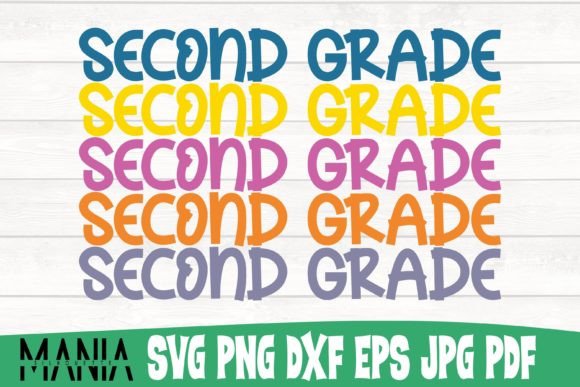
Another overlooked detail involves layer management. Even though these files come with organized layers, users sometimes flatten them prematurely in their design software. Flattening a multi-color Second Grade Rules SVG Cut File Design before sending it to the cutter merges separate color mats into one, ruining the ability to weed and layer different colored vinyls. Keep layers intact until the final moment of export to maintain the design’s structural integrity.
The Myth of Unlimited Scaling Without Context
Marketing materials often state that vector files can be printed in any size desired without altering their high-quality aspect, from printing them on a baby shirt to engraving them on the moon. While mathematically true for vectors, practical application requires nuance. A design optimized for an adult t-shirt may have intricate details that become too small to weed when scaled down for a toddler’s sleeve or a pencil pouch.
Before resizing your Second Grade Rules SVG Cut File Design to extreme dimensions, perform a test cut or a digital simulation. If scaling down significantly, you may need to simplify the design by removing tiny interior elements that the blade cannot physically navigate. Conversely, when scaling up for large banners or wall decals, ensure your vinyl width accommodates the expanded design to avoid unsightly seams.
Software Compatibility and Workflow Efficiency
The flexibility of these files lets you take complete control of your design without the limitations of proprietary cartridges. However, assuming universal compatibility can lead to workflow bottlenecks. While the pack supports industry standards like Adobe Illustrator, Photoshop, Flash, After Effects, and 3D editing software, as well as cutting platforms like Make The Cut and Sure Cuts A Lot, each program interprets vectors differently.
For example, importing an EPS file into Adobe Illustrator preserves editability, allowing you to change fonts or adjust node points. Importing that same EPS into basic cutting software might convert it to a static shape. If your goal is to customize the text within the Second Grade Rules SVG Cut File Design, verify that your software supports text editing for imported vectors. If not, utilize the PNG for visual reference and recreate the text natively within your cutting software to ensure perfect alignment and font matching.
Evaluating Quality Before Purchase or Use
Not all educational cut files are created equal. When evaluating this or similar designs, look beyond the thumbnail preview. Check the product description for confirmation of "tested layers." Untested files often contain stray nodes, open paths, or overlapping elements that cause cutting machines to pause or fail mid-project. The mention of meticulous crafting and continuous testing in this pack is a significant indicator of reliability.
Additionally, consider the intended end-use. If you plan to sell products featuring this design, review the licensing terms immediately. Commercial use licenses vary wildly. Using a personal-use-only file for a school fundraiser t-shirt sale is a common legal misstep. Ensure the premium pack explicitly grants the rights aligned with your entrepreneurial or organizational goals.
Practical Advice for Best Results
To maximize the value of this premium pack, adopt a systematic approach to file management. Create a dedicated folder structure on your computer mirroring the file types (SVG, PNG, EPS, etc.). This prevents the accidental selection of low-resolution JPEGs for high-stakes cutting projects.
When working with the Second Grade Rules SVG Cut File Design, always utilize the PDF reference guide included in the pack. This document serves as a visual map, helping you identify individual elements quickly without opening multiple files. For educators and busy parents, this small step saves significant setup time.
Finally, remember that the infinite expandability of these files is a tool, not a guarantee of aesthetic success. Just because you can scale a design to fit a mural does not mean the line weights will remain visually balanced. Professional designers adjust stroke widths relative to size. If you scale the SVG drastically, be prepared to manually adjust stroke properties in vector editing software to maintain visual harmony.
By understanding the specific utility of each file format, respecting the technical limitations of your hardware, and verifying quality markers before starting, you transform a simple digital download into a versatile asset. This mindful approach ensures that your Second Grade Rules projects are not only visually appealing but also structurally sound and efficiently produced, whether you are crafting a single gift or fulfilling orders for an entire grade level.