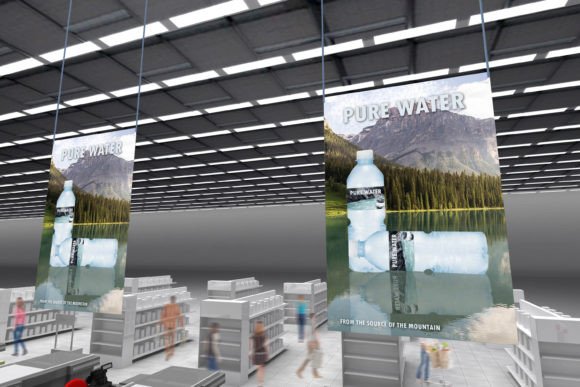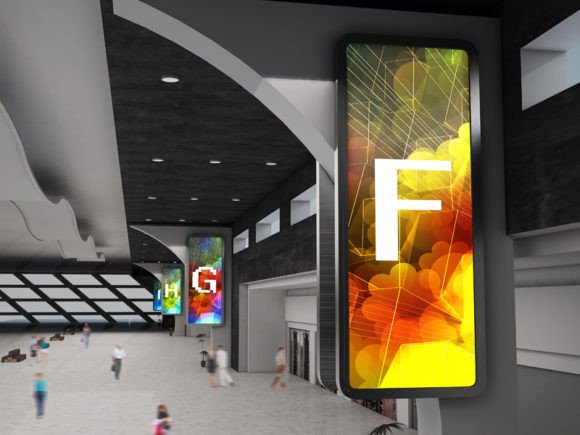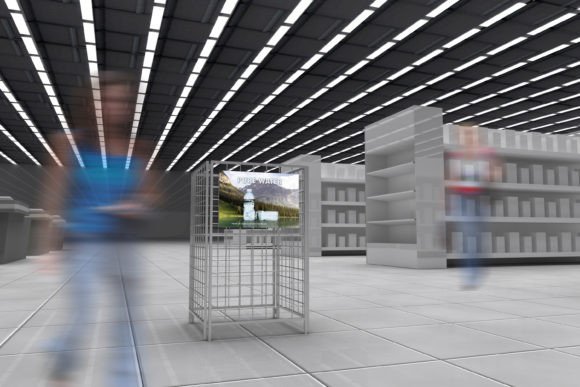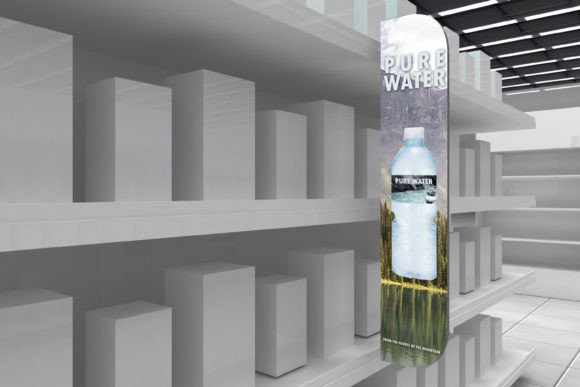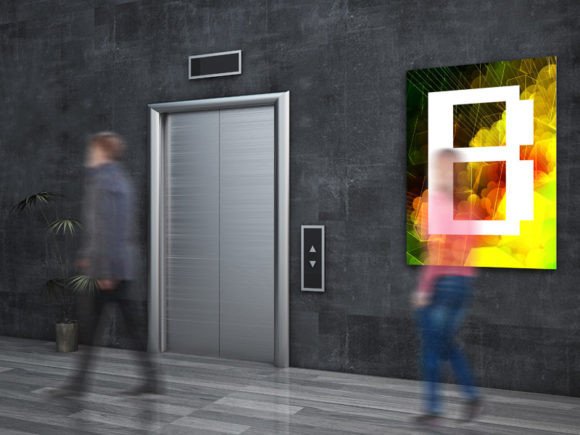
Maximizing Visual Impact with Poster Near Elevator Mockup
When it comes to presenting visual content in high-traffic areas, the Poster Near Elevator Mockup stands out as a powerful tool. This specific type of mockup simulates the placement of a poster in a real-world setting—typically near an elevator—where attention is often captured by people moving through a space. Whether you're a marketer, designer, or business owner, understanding how to strategically use this mockup can significantly enhance how your message is received and remembered.
Why the Poster Near Elevator Mockup Matters
The Poster Near Elevator Mockup is more than just a visual placeholder; it's a strategic representation of how your design will perform in a live environment. Elevators are natural gathering points, making the surrounding walls prime real estate for visual communication. This mockup allows designers and stakeholders to preview how a poster will look in that specific context, factoring in lighting, wall color, and spatial orientation.
Because of its realistic setting, this mockup helps avoid surprises when the poster is printed and installed. It's especially useful for marketing teams, event planners, and interior designers who need to visualize how a design will integrate into a physical space before committing to production.
Supporting Strategic Planning and Communication
Using the Poster Near Elevator Mockup isn't just about aesthetics—it's about aligning your visual content with your communication goals. When placed in a context that mimics real-life usage, the mockup supports better decision-making around design elements such as font size, color contrast, and layout hierarchy.
- Font readability can be tested under simulated lighting conditions.
- Color choices can be evaluated against surrounding wall tones and ambient light.
- Visual hierarchy can be adjusted to ensure key messages are immediately noticeable.
These considerations are especially important in environments where viewers may only glance at the poster for a few seconds. The mockup provides a practical framework for ensuring your design communicates effectively under real-world constraints.
When and How to Use the Poster Near Elevator Mockup
This mockup is best used during the final stages of design development, particularly when preparing for print or installation in commercial or public spaces. It serves as a bridge between conceptual design and tangible execution, helping to validate decisions before production.
Here’s a practical approach:
- Define your objective: Is the poster meant to inform, promote, or engage? Your goal will shape design choices.
- Choose the right environment: Select a mockup that reflects the actual lighting and wall conditions of the installation site.
- Insert your design: Use the smart object feature to easily place your artwork and see how it interacts with the surroundings.
- Review and refine: Look at how the poster stands out from a distance and whether the key message is clear at a glance.
Key Considerations Before Implementation
While the Poster Near Elevator Mockup offers a high level of realism, it should be used as part of a broader planning process—not as a standalone solution. Before relying on this tool, consider the following:
- Target audience: Will the people who pass by this poster be in a hurry, or do they have time to read longer content?
- Environmental distractions: Are there other visual elements nearby that could compete with your poster?
- Placement height: The mockup typically shows a standard eye-level placement, but actual installation might vary.
By aligning your mockup usage with these real-world variables, you’ll ensure your design is not only visually appealing but also functionally effective.
Enhancing Branding and Customer Experience
Posters near elevators often serve as subtle yet consistent brand touchpoints. Whether in a hotel, office building, or retail space, they can reinforce brand identity through strategic placement and design. The Poster Near Elevator Mockup enables you to test how your brand’s visual language—colors, fonts, imagery—resonates in a high-traffic setting.
For example, a hotel using this mockup to preview artwork in their lobby can ensure that the poster complements the interior design while also promoting an event or service. This dual function of aesthetic alignment and functional messaging enhances both the customer experience and brand perception.
Practical Examples and Use Cases
Here are a few real-world applications where the Poster Near Elevator Mockup proves invaluable:
- Marketing campaigns: Preview how promotional posters will appear in office buildings or apartment complexes before large-scale printing.
- Art exhibitions: Artists and curators can simulate how posters will look in gallery hallways or near elevators to attract attention.
- Corporate branding: Companies can visualize internal messaging, such as motivational posters or event announcements, in a realistic workplace setting.
In each case, the mockup acts as a decision-making tool that reduces the risk of costly reprints and ensures the design aligns with the intended environment.
Avoiding Common Pitfalls
One of the biggest risks of using the Poster Near Elevator Mockup is treating it as a cosmetic step rather than a strategic one. Designers or clients may fall into the trap of focusing only on how the poster looks in the mockup without considering the broader context in which it will be viewed.
For instance, a poster that looks stunning in a mockup with soft lighting may not be as effective in a brightly lit hallway. Similarly, a design that appears clean and minimal in the mockup might be overlooked in a busy environment with competing visuals.
To avoid these issues, always pair the mockup with a clear understanding of the intended location, audience behavior, and environmental factors. Use it as a diagnostic tool, not just a preview.
Conclusion: Design with Purpose
The Poster Near Elevator Mockup is more than a presentation tool—it’s a strategic asset for anyone involved in visual communication. By simulating real-world conditions, it allows for informed design decisions that enhance clarity, engagement, and brand consistency.
Whether you're preparing a marketing campaign, designing for an exhibition, or reinforcing internal messaging, this mockup helps you see beyond the screen and into the space where your audience will interact with your design. Use it intentionally, with clear goals and environmental awareness, and you’ll not only improve your designs—you’ll improve the outcomes they deliver.