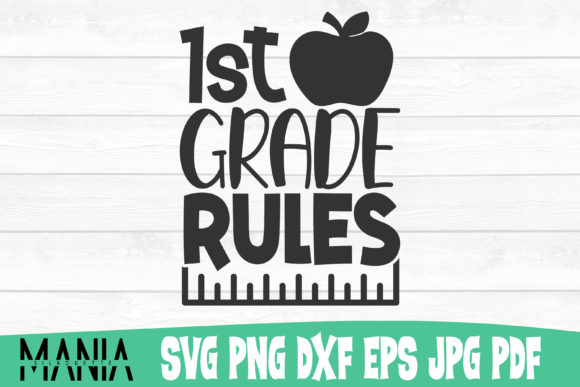
First Grade Rules SVG Cut File Design: A Practical Guide to Quality and Compatibility
Creating memorable back-to-school apparel or classroom decor requires more than just a catchy phrase; it demands technical precision. The First Grade Rules SVG Cut File Design serves as a foundational asset for educators, parents, and small business owners looking to celebrate the transition into elementary education. However, enthusiasm often outpaces technical preparation. Many creators download a design only to discover that their cutting machine struggles with intricate nodes, or that the file format is incompatible with their specific software version. Understanding the nuances of this digital asset before you begin crafting ensures that your final product looks professional rather than homemade.
Understanding the Asset Beyond the Preview
A common misunderstanding among beginners is assuming that the thumbnail image represents the actual cut path. When evaluating a First Grade Rules SVG Cut File Design, you must look beyond the visual aesthetic and consider the vector architecture. This specific pack is meticulously crafted by designers who understand that clean lines are non-negotiable for vinyl weeding and heat transfer. The files are organized by well-defined, continuously tested layers, which prevents the frustrating issue of overlapping paths that can ruin expensive material.
People are interested in this design not merely for its sentiment but for its versatility. Whether you are personalizing a baby shirt for a teacher’s child or creating large-scale signage for a school hallway, the infinite expandability of these vectors means the quality remains crisp at any dimension. Unlike raster images that pixelate when enlarged, this design maintains its integrity from a 4-inch chest logo to a massive wall decal. Recognizing this scalability helps you plan projects that maximize the value of a single purchase.
Avoiding Format Mismatches and Software Frustrations
One of the most frequent mistakes occurs when users attempt to force a file format that isn't optimized for their workflow. This premium pack eliminates guesswork by providing six distinct formats, yet choosing the wrong one can still lead to inefficiency. For example, using a JPEG for a Cricut or Silhouette project forces you to trace the image manually, introducing human error and jagged edges. Instead, utilize the included SVG file, which is perfectly designed for Cricut Design Space and Silhouette Studio. These native vector formats preserve individual layers, allowing you to change colors or hide elements without redrawing the design.
Conversely, professional designers using Adobe Illustrator or CorelDRAW should bypass the SVG and opt for the EPS file. EPS files retain advanced editing capabilities and curve data that standard SVGs sometimes flatten during conversion. Similarly, if you are working with older cutting software like Make The Cut or Sure Cuts A Lot, the DXF file is often the superior choice for compatibility. Overlooking these distinctions leads to wasted time troubleshooting import errors rather than creating.
- SVG: Best for Cricut Explore/Air/Maker and Silhouette Studio (Designer Edition).
- PNG: Transparent background ideal for sublimation, web use, or print-then-cut projects.
- EPS: Essential for vector editing in Adobe Illustrator, Photoshop, and professional design suites.
- JPEG: High-resolution raster format suitable for Iron-On Machines that do not support vector cutting.
- DXF: Universal vector format compatible with free versions of Silhouette Studio and legacy software.
- PDF: Contains all clip arts in one place for easy reference, proofing, or direct printing.
The Hidden Cost of Poor Layer Organization
Efficiency directly impacts profitability for small business owners and sanity for hobbyists. A poorly constructed cut file might look correct on screen but fail during production because shadow layers are grouped with text, or inner details are separate shapes rather than compound paths. This First Grade Rules SVG Cut File Design addresses these pain points through rigorous testing. When layers are disorganized, you risk cutting the same area twice, which tears vinyl and wastes adhesive. Always inspect the layer panel in your software immediately after import. If the design appears as a single flattened object when it should be multi-colored, verify you have opened the correct file type. The DXF version, while compatible, sometimes loses color grouping in certain programs; switching to the SVG usually resolves this instantly.
Practical Checks Before Cutting or Printing
Before committing to a final press or cut, perform a validation check. Because these files offer endless printing possibilities across various mediums, the application method dictates the necessary preparation. If you are using the PNG for sublimation, ensure your printer settings are configured for mirror printing and high-quality photo paper. If you are using the SVG for heat transfer vinyl, verify that the text is welded where appropriate to prevent letters from shifting during application.
Another overlooked detail is licensing and usage rights. While this pack offers immense flexibility, always confirm whether your intended use falls within personal or commercial guidelines. Entrepreneurs marketing "First Grade" merchandise must ensure their end products add significant value and are not merely resold digital files. Additionally, test the design size on scrap material first. Even though the vectors are flawless, blade depth, pressure settings, and material variance are physical factors that digital perfection cannot control. A test cut takes two minutes; ruining a $20 blank takes far longer to recover from.
Maximizing Value Through Cross-Platform Utility
Savvy creators evaluate assets based on long-term utility rather than single-use potential. The compatibility of this pack with a huge list of software and devices makes its nature unique. Beyond cutting machines, the inclusion of PDF and high-res JPEG formats allows educators to incorporate the same branding into newsletters, certificates, or digital presentations without purchasing separate graphics. Adobe Flash and After Effects users can even animate the EPS or SVG assets for video content, extending the design's lifespan into digital marketing.
Ultimately, avoiding poor decisions comes down to respecting the toolset provided. Do not settle for tracing a screenshot when a precision-engineered vector exists. Do not struggle with incompatible formats when the correct one is included in the zip folder. By leveraging the specific strengths of each file type within this First Grade Rules SVG Cut File Design pack, you ensure that your creative energy is spent on customization and execution, not technical repair. This approach transforms a simple digital download into a reliable, professional-grade resource for years to come.